
A meaningful week abroad is not measured by how many projects fit into a schedule. It is measured by the relationships students build, the humility they carry into unfamiliar spaces, and what they continue to do after they return home. This guide to service learning trips is designed for families, schools, churches, and mission-minded groups who want service in Costa Rica to become a genuine exchange of learning, not simply a short-term act of giving.
What Makes a Service Learning Trip Different?
Service learning connects practical service with education, reflection, and cultural participation. A group may support a local community initiative, but the experience should also help participants understand the people, history, strengths, and hopes behind that work. The goal is not to arrive with all the answers. It is to listen well, contribute responsibly, and let the experience reshape how students see the world.
That distinction matters. A volunteer trip can become focused on tasks alone: paint a wall, distribute supplies, clean a space, and move on. Those tasks may be useful, but service learning asks deeper questions. Who identified this need? How does the project fit a long-term local vision? What skills and perspectives does the community already bring? What are students learning about language, dignity, poverty, hospitality, faith, or their own assumptions?
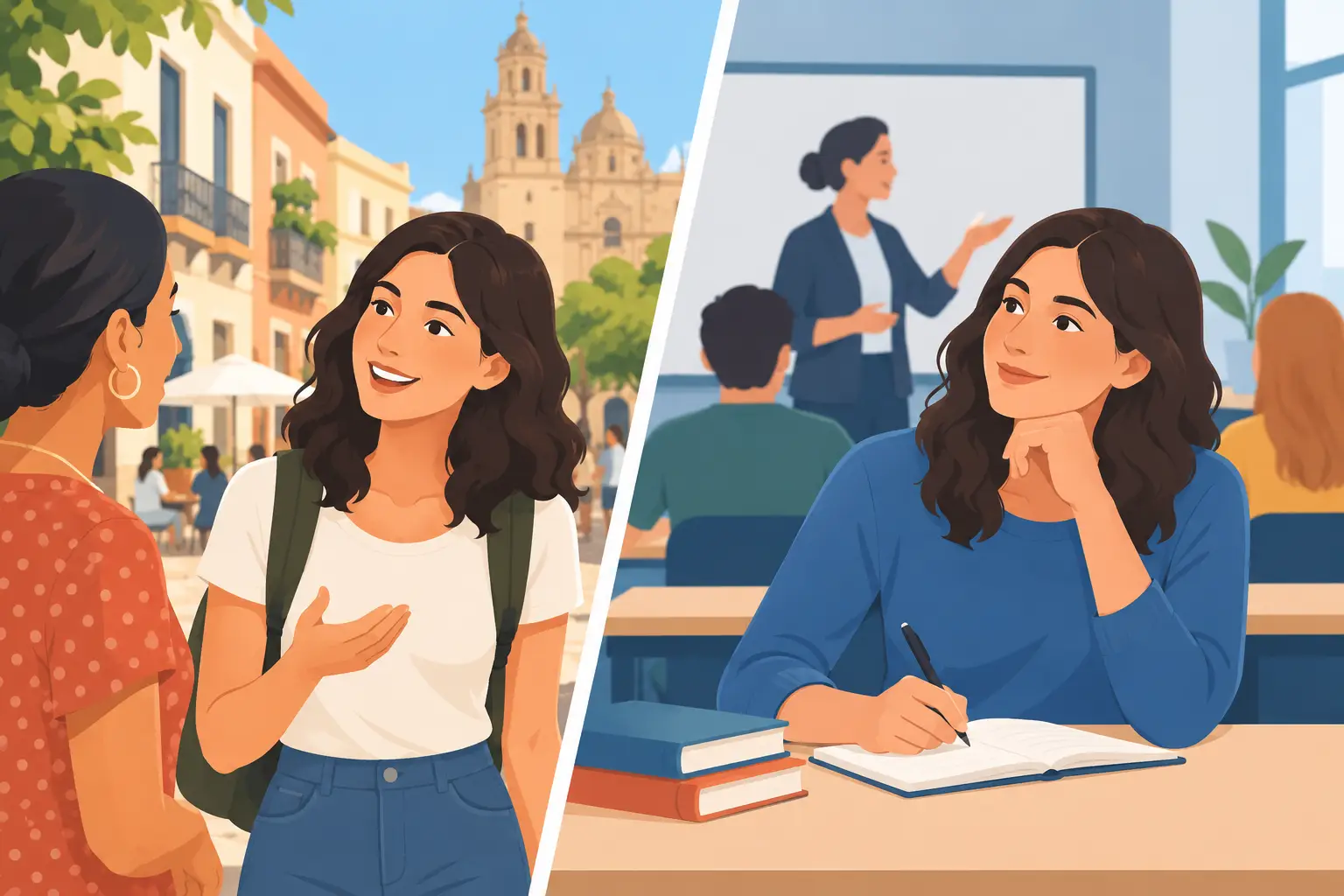
In Costa Rica, service learning can be especially powerful because daily life offers so many natural opportunities for connection. Students practice Spanish while ordering lunch, greeting neighbors, speaking with host families, and participating in community life. Service is no longer separated from culture. It becomes part of a fuller experience of belonging and learning.
Start With a Purpose, Not a Project
Before choosing an itinerary, group leaders should name what they hope participants will carry home. A high school may want students to grow in Spanish confidence and global awareness. A church group may be seeking an opportunity to serve with humility while building cross-cultural friendships. Families may want their children to see that travel can include generosity, curiosity, and shared responsibility.
A clear purpose helps leaders make better choices about the length of the trip, the age of participants, service partners, lodging, and daily pace. It also prevents a common mistake: treating service as an add-on squeezed between sightseeing activities. Adventure and exploration have real value, especially for young travelers, but they should support the learning goals rather than compete with them.
For many groups, a balanced program includes Spanish instruction, a homestay or family-style lodging experience, guided cultural activities, service arranged around local priorities, and time to reflect. A week can offer a meaningful introduction. Two weeks or more generally allows for stronger relationships, deeper language practice, and more thoughtful follow-through on a project.
Choose Service That Supports Local Leadership
The best projects are shaped by trusted local partners. They know what is needed, what has been tried before, and where visiting groups can contribute without creating extra work. Sometimes the right role is hands-on. Other times, it may be supporting an existing program, preparing materials, helping with a community space, or participating in an educational activity led by local staff.
Groups should be cautious about projects that depend on untrained visitors doing work that requires professional expertise, especially with children, health care, construction, or counseling. Good intentions are not a substitute for qualifications, background checks, safeguarding practices, or local knowledge.
It also helps to ask whether the project would still be valuable if photos were never shared. Service should protect the dignity and privacy of the people involved. That means asking permission before taking pictures, avoiding stories that portray communities as helpless, and teaching students that meaningful impact is not always visible by the end of a trip.
Prepare Students Before They Travel
The most thoughtful service learning trips begin well before the flight. Preparation gives students language for what they may experience and helps them arrive ready to learn rather than ready to rescue.
Start with practical Spanish that supports daily communication: greetings, directions, food vocabulary, polite questions, and phrases for expressing gratitude. Students do not need to be fluent to form real connections. A sincere “mucho gusto,” a patient attempt at conversation, and a willingness to listen can open doors that perfect grammar never will.
Cultural preparation matters just as much. Discuss Costa Rica as a real, diverse country rather than a backdrop for an inspirational trip. Learn about its regions, traditions, environmental priorities, family life, and the everyday rhythm of greeting people warmly. Talk honestly about differences students may notice in housing, transportation, work, or access to resources. The goal is not to make quick comparisons with life in the United States, but to approach differences with respect and curiosity.
Leaders can also set expectations for flexibility. Travel delays happen. Weather changes plans. A community partner may need to adjust an activity at the last minute. When students understand that responsiveness is part of serving well, a schedule change becomes a lesson in patience instead of a disappointment.
Build an Itinerary With Space to Listen
A packed itinerary can look impressive on paper, but constant movement leaves little room for relationships. Students need time to process a new language, navigate unfamiliar settings, and rest. This is particularly true for families with young children, first-time travelers, and groups with a wide range of Spanish ability.
Consider a daily rhythm that includes structured learning in the morning, service or cultural engagement later in the day, and a brief group reflection in the evening. Homestays can add another layer of immersion, giving students a chance to practice Spanish around the dinner table and experience Costa Rican hospitality in a personal way. For some travelers, private accommodations may be a better fit, and that is okay. The right lodging choice depends on comfort needs, group ages, and desired level of independence.
In Turrialba, a community-centered program can pair language study and service with experiences that reveal the region’s natural beauty and agricultural life. A visit to a farm, a shared meal, or an outdoor adventure can become more than recreation when students are invited to notice what they are learning about place, people, and interdependence.
CISA organizes customized group experiences around Spanish learning, cultural engagement, service, and exploration, helping groups create a program that meets both practical needs and deeper goals.
Reflection Turns Experience Into Learning
Without reflection, even a well-organized trip can pass by as a collection of memories. Reflection gives participants a way to connect what they saw and did with what they believe, value, and want to change.
Keep these conversations honest and specific. Instead of asking, “Did you have fun?” try questions such as: What surprised you today? When did communication feel difficult, and how did you respond? What did you notice about the strengths of the community? What assumptions did you bring with you? Where did you receive kindness or help from someone else?
For faith-based groups, reflection can include prayer, Scripture, and conversation about service as love of neighbor. It should remain welcoming and respectful, recognizing that students may come from different spiritual backgrounds or be in different places on their journey. The strongest discussions make room for gratitude, discomfort, questions, and growth.
Journaling is useful for quieter participants who may not speak up in a group circle. Ask students to write a few lines each day, record new Spanish words they used, or describe one interaction they want to remember. Those small observations often become the most lasting part of the experience.
Plan for Safety, Care, and Responsible Logistics
Purposeful travel still requires careful planning. Choose a program provider that communicates clearly about transportation, accommodations, meals, emergency procedures, medical considerations, staff support, and age-appropriate supervision. Families and group leaders should know who is responsible for students at each point in the day and how concerns will be handled.
Collect health information in advance, discuss dietary needs, and make sure participants understand basic travel expectations. Encourage reusable water bottles, modest and practical clothing, sun protection, insect repellent, and shoes appropriate for the planned activities. If the group will be working outdoors or traveling during the rainy season, build in backup plans rather than hoping the weather cooperates.
Financial transparency matters too. Groups should understand what is included, what requires extra funds, and how donations or project costs will be used. A thoughtful budget supports responsible decisions and helps participants see that long-term partnership is often more valuable than a one-time gesture.
Bring the Learning Home
The return home is not the end of a service learning trip. It is where participants decide whether the experience will change how they live. Invite students to share stories that honor the people they met, not just the activities they completed. Encourage them to keep practicing Spanish, stay curious about global issues, support community efforts where they live, and look for everyday ways to serve with the same humility they practiced abroad.
A well-planned trip to Costa Rica can give travelers more than photographs and new vocabulary. It can give them a clearer understanding that connection grows when we arrive ready to learn, serve with care, and recognize the gifts already present in every community.



Leave a Reply