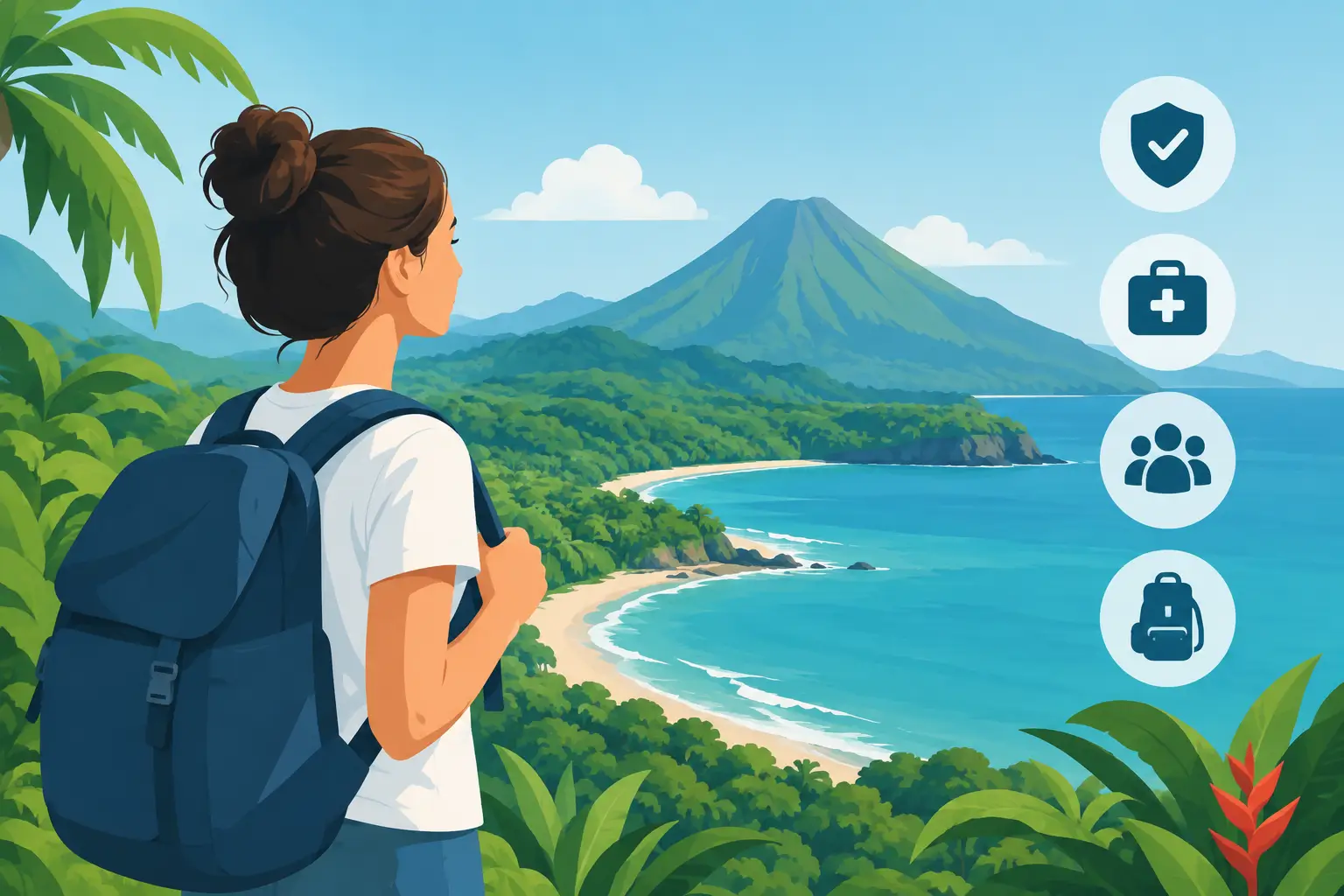
A new language feels different when you use it to ask for directions, thank a host family for dinner, or share a laugh at the market. That is the gift of immersion – and study abroad safety is what gives students and families the confidence to be fully present for those moments.
Safety is not about treating every unfamiliar place as dangerous. It is about preparing wisely, paying attention, and choosing a program that helps you become part of a caring local community. In Costa Rica, students can pair meaningful Spanish learning with cultural discovery, service, and adventure while building practical habits that travel with them long after the trip ends.
Study Abroad Safety Begins Before Departure
The strongest safety plan starts at home, before a suitcase is packed. Families and individual travelers should talk through expectations for communication, transportation, spending, health needs, and personal boundaries. A student who knows what to do when plans change is less likely to feel overwhelmed by a small surprise.
Make sure passports are valid well beyond the travel dates, and keep secure copies of key documents. Carry a small amount of local currency for everyday needs, but do not rely on carrying large amounts of cash. Let a trusted person at home have your itinerary, lodging details, and a way to contact the program in an urgent situation.
Health preparation deserves the same care. Discuss travel plans with a medical professional, especially if you take prescription medication or manage an ongoing condition. Pack medicines in their original containers, bring enough for the full stay plus a reasonable buffer, and understand what your travel insurance covers. Insurance does not prevent every problem, but it can turn an unexpected clinic visit, delayed bag, or changed flight into a manageable inconvenience.
For younger students, parents can make preparation feel encouraging rather than frightening. Practice simple scenarios together: What would you do if you were separated from the group? Who would you call if you felt sick? How could you say, “I need help,” in Spanish? Rehearsing these answers builds confidence without taking away the excitement of the journey.
Choose Community, Not Just a Destination
A beautiful destination is not the same as a supportive experience. When considering a Spanish program abroad, ask how students are welcomed, who is available after class, how transportation is arranged, and what guidance is offered for homestays, activities, and free time.
Homestays can be one of the most meaningful parts of immersion. They invite students into the rhythms of family life: meals around the table, everyday conversations, local traditions, and the patience that makes a new language feel possible. They also offer a sense of connection that a hotel rarely provides. Still, students should receive clear information about house expectations, keys, meal schedules, laundry, and how to speak up if something feels confusing or uncomfortable.
At Christian Immersion Spanish Academy, students are welcomed into a community shaped by hospitality, respect, and genuine cross-cultural connection. That kind of local support matters. A trusted host family, instructor, coordinator, or group leader can answer questions that an online search cannot – including which routes are best after dark, where to find a pharmacy, and how to handle a cultural misunderstanding with grace.
For school groups, church groups, and mission teams, safety also depends on shared responsibility. Leaders should establish check-in times, a buddy system, clear meeting places, and realistic boundaries for independent exploration. These practices are not restrictive. They help every participant enjoy the freedom of the experience while knowing that no one is navigating an unfamiliar setting alone.
Everyday Habits That Protect Your Peace of Mind
Most study abroad safety decisions are ordinary ones. They happen when you leave the house, use your phone, choose transportation, or decide whether to stay out longer than planned. Simple awareness goes a long way.
Keep valuables out of sight and bring only what you need for the day. Use a crossbody bag, money belt, or secure pocket in busy places, and avoid setting a phone or wallet on a café table where it can be forgotten or grabbed. Be especially alert in crowded transportation areas and tourist-heavy locations, where distraction can make travelers easy targets.
Transportation choices matter, too. Learn the program’s recommendations for walking routes, buses, taxis, and rideshares. If you are arriving late or traveling outside a familiar area, arranging transportation through trusted local contacts is often the wiser choice. Avoid walking alone at night, particularly on roads with limited lighting or sidewalks. This is not unique to Costa Rica – it is a sensible habit in many communities around the world.
Your phone can be a helpful tool, but it should not be your only plan. Save important numbers, keep your device charged, and know the address of your lodging. At the same time, look up from the screen. Notice landmarks, listen to local guidance, and stay aware of the people and traffic around you.
Alcohol deserves an honest conversation, especially for college-age travelers. Different legal rules and social norms do not remove the need for good judgment. Do not accept drinks from strangers, do not leave a drink unattended, and do not let a friend travel home alone if they are impaired. A meaningful trip should create memories you can be glad to carry home.
Respect Is a Safety Practice
Cultural humility is more than good manners. It can help students form stronger relationships and avoid preventable misunderstandings. Listen before assuming, ask questions with curiosity, and remember that everyday routines may be different from those at home.
Costa Rica is known for its warm welcome and the phrase pura vida, often used to express gratitude, encouragement, or a relaxed appreciation for life. Yet visitors should not confuse friendliness with an invitation to ignore local customs or personal boundaries. Dress appropriately for the setting, follow guidance from hosts and instructors, and be mindful when taking photographs of people, homes, churches, schools, or service projects.
Students who serve in a community should approach that work with humility. The goal is not to arrive as a hero, but to listen, learn, and participate respectfully alongside local partners. This posture protects dignity on all sides and often leads to the deeper relationships students hope to find.
Know How to Respond When Something Feels Wrong
A safety plan should include room for intuition. If a situation, conversation, or location feels wrong, students do not need to justify their discomfort before stepping away. Move toward a public, well-lit place, contact a trusted program leader or host, and ask for help.
It is also helpful to separate an emergency from a challenge. Getting lost, missing a bus, or feeling homesick may be stressful, but each has a practical next step: pause, contact a local support person, and communicate clearly. A medical emergency, threat, accident, or missing person requires immediate action and should be reported to local emergency services and the program’s designated contact.
For families, regular check-ins can offer reassurance without making a student feel monitored every hour. Agree on a simple rhythm before departure, such as a short message after arriving safely, a few updates each week, and a plan for what to do if a check-in is missed. Flexibility matters, since Wi-Fi, schedules, and time zones can change.
Let Confidence Grow Alongside Your Spanish
The purpose of preparation is not to make students fearful or keep them inside familiar routines. It is to give them the freedom to participate more fully: to try Spanish at a neighborhood shop, join a family meal, hike with a trusted group, or take part in service with an open heart.
A well-supported stay in Costa Rica can teach more than grammar and vocabulary. It can show a teenager that they can solve a problem calmly, help a family discover new rhythms together, or remind an adult learner that growth is still possible at any stage of life. Bring wise habits, stay connected to your community, and let each careful step make room for the conversations and relationships that brought you abroad in the first place.




Leave a Reply