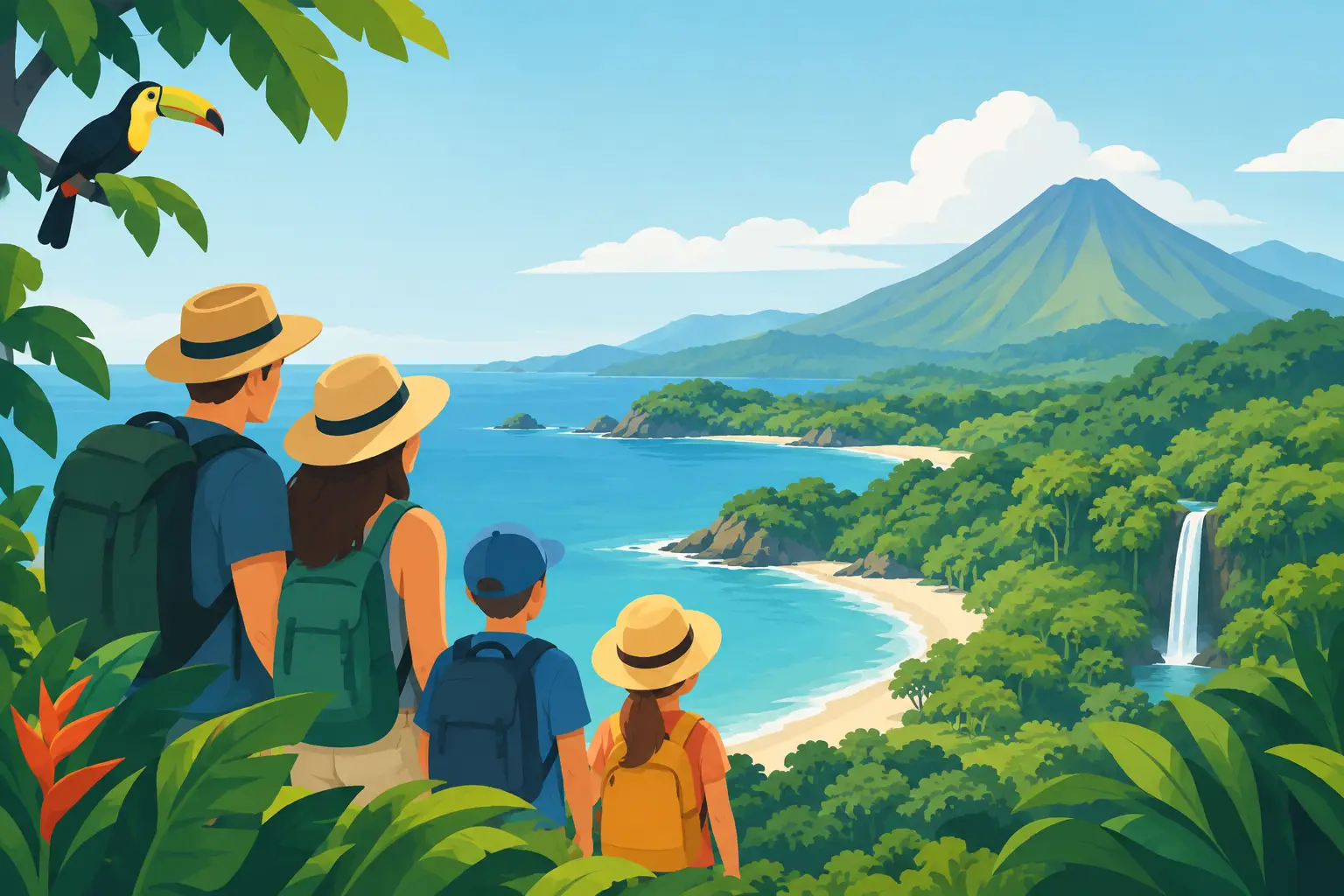
A great family trip can leave everyone with photos. A well-planned Spanish immersion experience can leave everyone with something more lasting: the confidence to order lunch in Spanish, the memory of a local neighbor’s kindness, and a new way of seeing one another. This family immersion planning guide is designed to help you build a Costa Rica experience that supports real learning without turning your family vacation into a rigid school schedule.
For families, immersion works best when it meets people where they are. Your teenager may want independence and conversation practice. Your younger child may need a predictable routine and room to play. You may be hoping to improve your Spanish, reconnect as a family, or simply give your children a wider view of the world. Those goals can belong in the same trip.
Start With Your Family’s Purpose
Before comparing dates, flights, or accommodations, talk about why you want an immersion experience. The answer shapes nearly every other decision. A family preparing for a move, bilingual school, or regular travel may prioritize daily instruction and a longer stay. A family seeking an educational vacation may prefer a shorter program with Spanish lessons in the morning and cultural activities in the afternoon.
It also helps to define success realistically. Fluency is a long-term journey, especially for adults who are balancing work, parenting, and travel logistics. But a week or two of intentional immersion can create meaningful momentum. Children may begin using greetings naturally, recognize words around town, and grow more comfortable communicating without having every sentence translated. Adults often discover that they can participate in everyday exchanges sooner than they expected.
Choose one or two shared goals, then give each family member a personal goal. One child might want to learn how to introduce themselves. Another might want to buy a snack at a local store. A parent may want to hold a short conversation with a host family. Small, specific goals make progress visible and give everyone a reason to keep trying when Spanish feels unfamiliar.
Choose a Program That Makes Room for Every Age
The strongest family immersion programs do not ask every traveler to learn in exactly the same way. Look for personalized instruction, age-appropriate activities, and schedules that acknowledge the practical needs of family life.
Ask how lessons are personalized
Children, teens, and adults often enter with different levels of Spanish. A parent may have years of classroom Spanish but feel hesitant speaking. A child may be a complete beginner yet quickly absorb everyday phrases through games and repetition. Separate or carefully matched instruction allows everyone to be appropriately challenged rather than waiting for someone else to catch up.
Ask about class size, placement conversations, teaching methods, and whether instructors adjust lessons around your family’s interests. A child who loves animals may be eager to learn vocabulary connected to a farm visit. A teen interested in soccer, music, or volunteering may engage more deeply when those interests become part of conversation practice.
Plan for care, rest, and flexibility
Reliable baby and toddler care can make a family immersion program possible for parents who also want focused learning time. If you are traveling with little ones, ask who provides care, what the daily routine looks like, how caregivers communicate with parents, and whether children have a safe place to rest and play.
Older children need flexibility too. A packed schedule may sound exciting before departure, but tired travelers do not learn or connect well. Leave space for quiet afternoons, swimming, reading, journaling, or simply sitting together after dinner. Immersion is not measured only in lesson hours. Some of the most valuable language practice happens during an unhurried meal or a walk through town.
Consider the value of a homestay
A homestay brings Spanish beyond the classroom. Families hear how people greet one another, prepare meals, tell stories, and talk about ordinary plans. It can be a deeply meaningful way to experience Costa Rican hospitality while building natural language habits.
Still, a homestay is not the right fit for every family. Some travelers need greater privacy, have very young children with demanding sleep schedules, or feel more comfortable easing into cultural exchange through separate accommodations. The best choice is the one that lets your family be present and curious, not overwhelmed. If you choose a homestay, share dietary needs, allergies, bedtime routines, and accessibility considerations early so your hosts can welcome you well.
Build a Rhythm, Not an Overloaded Itinerary
Families often try to fit every possible experience into a limited number of days. Costa Rica offers plenty of reasons to do that: waterfalls, wildlife, coffee farms, markets, river adventures, and beautiful mountain landscapes. But language learning needs repetition. When every day is a travel day, it becomes harder to settle into conversations and community.
A balanced rhythm usually includes structured Spanish learning, ordinary moments in the community, and a few memorable excursions. In a place such as Turrialba, families can experience the richness of a Costa Rican town while remaining close to nature and cultural activities. The setting matters because it gives your children a chance to see Spanish as a living language, not a subject that exists only in a workbook.
Consider keeping the first day light. Give everyone time to arrive, learn the route to class, meet hosts or staff, and practice a few useful phrases. Schedule bigger adventures after your family has found its footing. If your trip is longer, place a rest day between more active outings.
Do not underestimate ordinary errands. Buying fruit, choosing bread at a bakery, greeting a bus driver, or asking a shopkeeper about an item are all practical opportunities to use Spanish. Encourage your children to participate, but never force a performance. A smile, a greeting, and a patient pause can be enough for a beginner.
Prepare for Cultural Exchange With Humility
Immersion is most meaningful when families arrive ready to learn from people, not simply consume experiences. Costa Rica is known for warmth and hospitality, but each host family, teacher, and community member has their own personality, routine, and perspective. Approach those differences with respect.
Before departure, talk with your children about being guests. Discuss listening before judging, asking questions with kindness, and avoiding comparisons that imply one way of life is better than another. Explain that cultural learning includes noticing differences in meal times, family routines, manners, personal space, and communication styles.
A few practices can help your family enter conversations thoughtfully:
- Learn greetings, polite expressions, and how to say “please,” “thank you,” and “excuse me.”
- Practice patience when you do not understand right away.
- Ask permission before taking photos of people, homes, or community spaces.
- Thank hosts, teachers, drivers, and activity leaders directly in Spanish when possible.
For Christian families, service and hospitality may be an especially meaningful part of the trip. For families from other backgrounds, those same values can still guide the experience: treat people with dignity, receive generosity with gratitude, and look for ways to contribute respectfully. Service should never be treated as a photo opportunity or a way to “fix” a community. It is most valuable when it grows from partnership, listening, and mutual respect.
Make Spanish Part of Your Family Culture
The trip should not be the only place Spanish exists. A little preparation before departure helps everyone arrive with confidence, and simple habits afterward can protect the progress you have made.
In the weeks before travel, practice a handful of family phrases at breakfast or in the car. Keep it light. Name foods, colors, or household objects. Let children choose a song, short story, or game in Spanish. The goal is not to memorize grammar charts. It is to make hearing and trying Spanish feel normal.
During the program, create a brief family check-in each evening. Ask what was funny, difficult, surprising, or new. Invite children to share one Spanish word they used or heard. Parents can model humility by talking honestly about their own mistakes. When children see adults laugh, try again, and keep speaking, they learn that confidence is not perfection.
After returning home, choose a realistic next step. Continue online lessons, cook a Costa Rican meal, keep in touch with friends made during the trip, or set aside one evening a week for Spanish conversation. CISA offers learning pathways that can support families from an early Spanish Launch through deeper conversation and long-term fluency, but the right pace depends on your goals, budget, and daily life.
Plan the Practical Details Early
Meaningful travel is easier when the basics are handled before you arrive. Confirm passport validity, travel insurance, medical needs, transportation plans, weather expectations, and any program-specific packing guidance. Families should also discuss how they will manage spending money, devices, and communication during the trip.
Pack for comfort rather than appearances. Weather can shift in Costa Rica, particularly in mountain areas, so layers, rain protection, comfortable walking shoes, and refillable water bottles are often more useful than extra formal clothing. If your family will participate in adventure activities, check age requirements and comfort levels in advance. It is perfectly reasonable for one family member to choose a gentler activity while others take on a bigger challenge.
Most of all, leave room for the unexpected. A rainstorm may change an excursion. A child may need a quiet day. A conversation with a host may become the highlight you never planned for. The purpose of a family immersion experience is not to complete a checklist. It is to make space for growth, connection, and the kind of shared memories that keep speaking long after the trip is over.




Leave a Reply