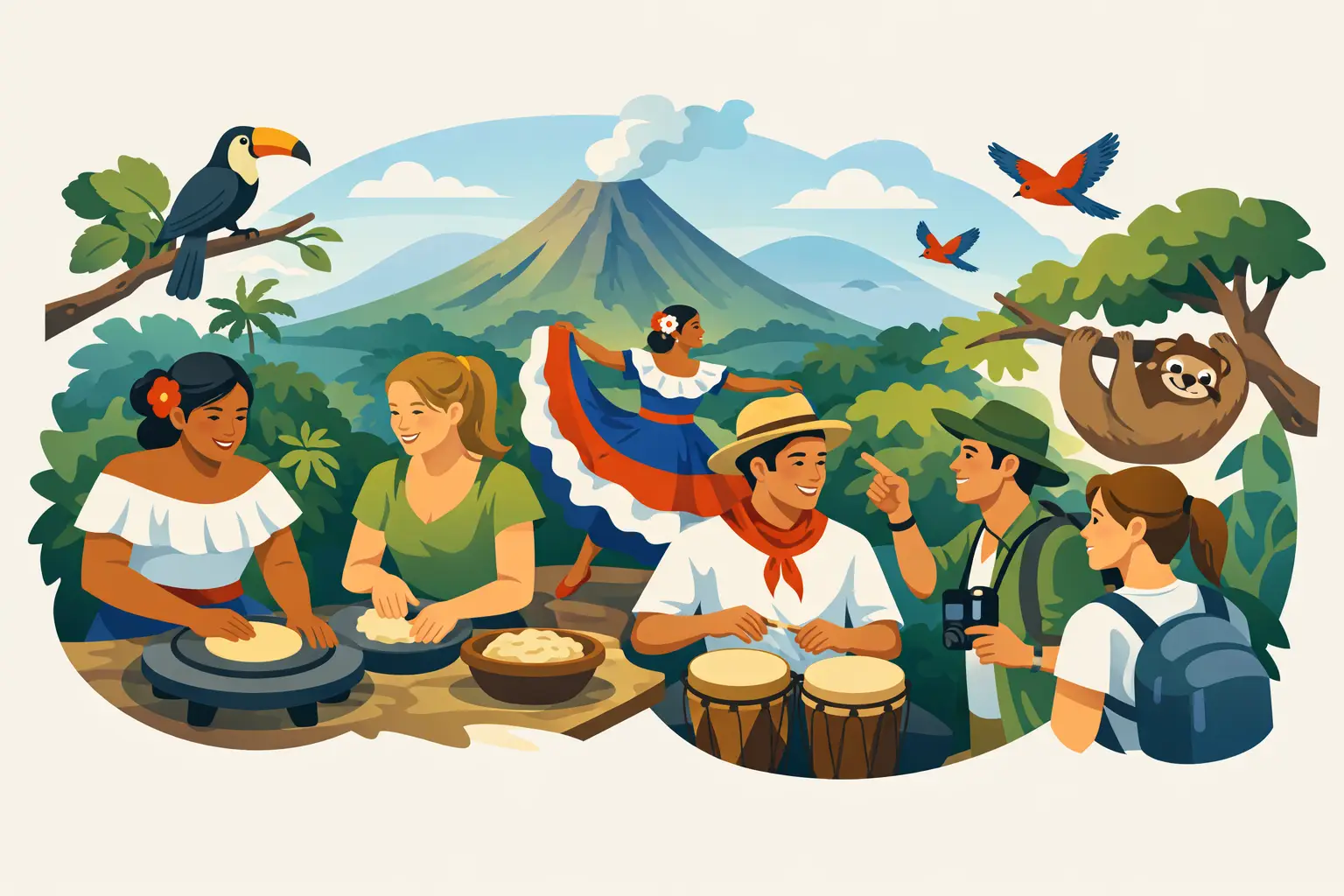
A student orders breakfast in Spanish, helps prepare a family recipe that afternoon, and later hears the same expressions used during a neighborhood conversation. That is when vocabulary stops feeling like a school subject and starts becoming part of daily life. The best Costa Rica cultural immersion activities create these small, repeated moments of connection – moments that make language learning personal, practical, and memorable.
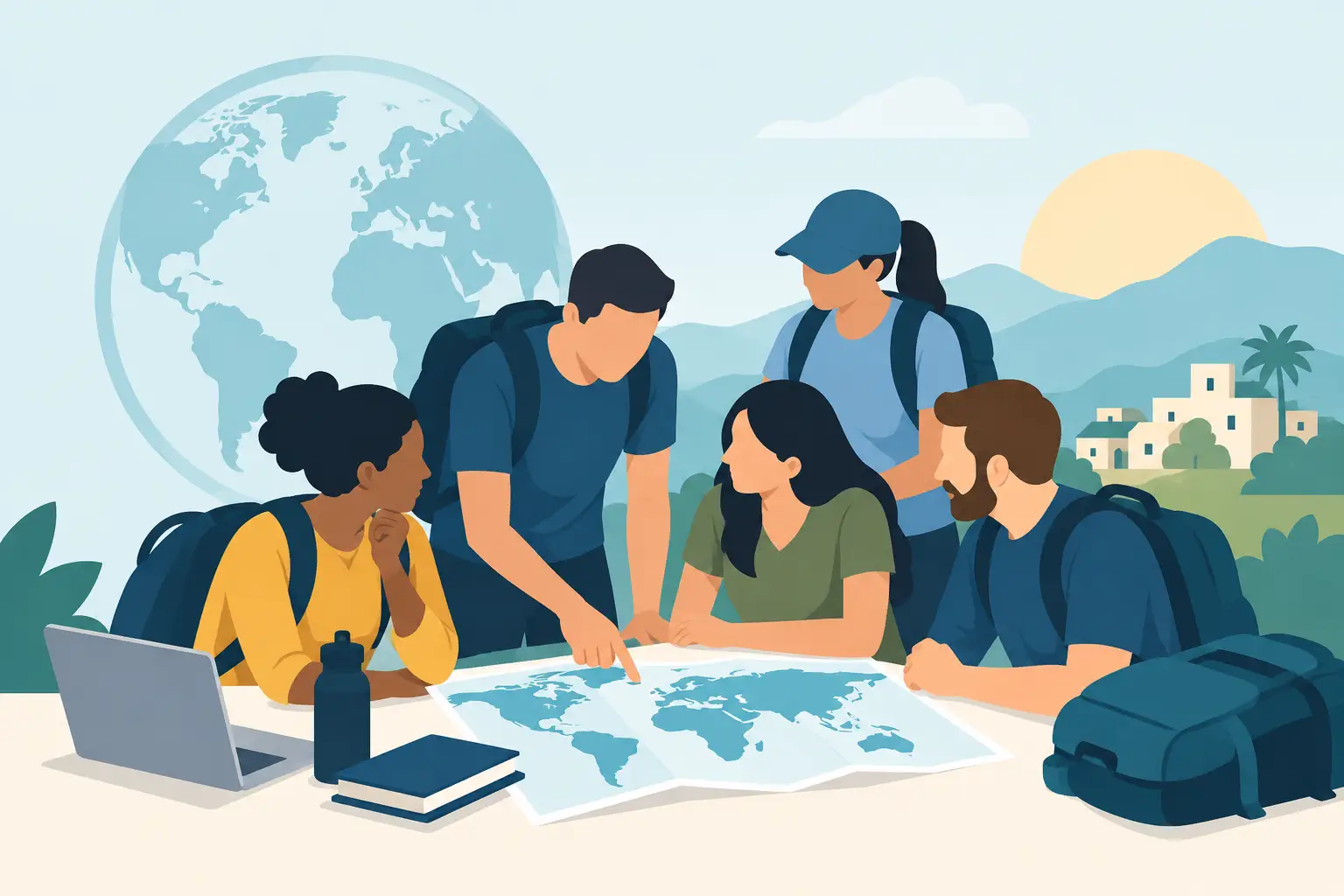
For families, adult learners, and groups, cultural immersion is not simply a break between Spanish classes. It is the setting where students practice courage, build friendships, and learn to approach another culture with humility and respect. In a welcoming community such as Turrialba, the goal is not to check off the most activities. It is to participate with attention.
Why Cultural Immersion Makes Spanish Stick
A classroom gives students structure: new verbs, useful phrases, pronunciation support, and a safe place to make mistakes. Cultural experiences give those lessons a purpose. When a learner needs to ask a host parent about the day’s plans, buy fruit at a local market, or introduce themselves to a new friend, Spanish becomes a tool for real relationship.
This is especially valuable for beginners, who can be tempted to wait until they feel ready to speak. Immersion gently changes that habit. A few words, a smile, and a willingness to try can carry a conversation farther than students expect. More advanced learners benefit, too, because daily life introduces regional expressions, natural pacing, humor, and the unplanned turns that no workbook can fully teach.
Cultural immersion also helps travelers see Costa Rica beyond a postcard version of the country. The rainforest, waterfalls, and wildlife are remarkable, but so are the ordinary routines that shape a community: sharing coffee, greeting neighbors, preparing meals, celebrating local traditions, and caring for one another. These experiences invite visitors to become thoughtful guests rather than spectators.
Costa Rica Cultural Immersion Activities With Purpose
The most meaningful activities place students near people, not just places. They should offer a reason to listen, contribute, and communicate. The right mix depends on a student’s age, Spanish level, comfort with new situations, and length of stay.
Live With a Host Family
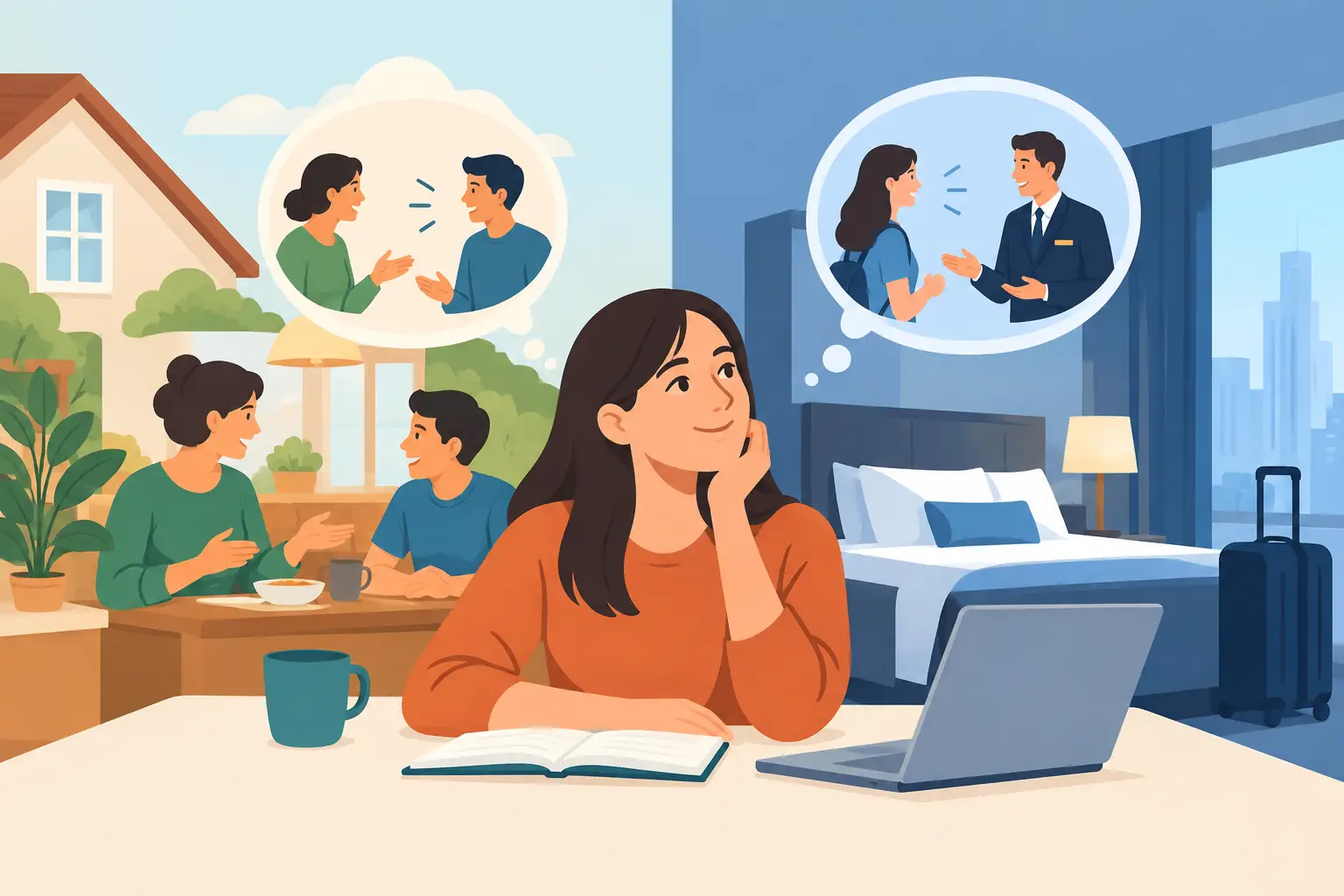
A homestay is often the most powerful part of an immersion experience because it happens before and after scheduled activities. Students hear Spanish at breakfast, learn household routines, and practice everyday conversation in a setting built around hospitality. Families often become a student’s first local connection, offering encouragement when speaking feels difficult and celebrating progress that might otherwise go unnoticed.
A homestay works best when students stay curious and flexible. Meals may be served at different times than at home, rooms may be simpler, and family schedules may be different. Those differences are not inconveniences to avoid. They are invitations to learn how another household lives and to respond with gratitude.
For families traveling with children, a host-family experience or family-friendly accommodation can create shared learning without forcing every member into the same pace. Young learners may gain confidence through games and everyday greetings, while parents practice more detailed conversation with local adults.
Learn Through Food and Everyday Errands
Food is one of the easiest ways to begin a conversation, even for a new Spanish speaker. Joining a cooking activity can introduce students to ingredients, measurements, kitchen vocabulary, and the stories that families attach to certain dishes. Asking how to make gallo pinto or a fresh tortilla creates a natural reason to listen closely and follow directions.
Markets and small local shops offer another practical classroom. Students can practice numbers, quantities, polite requests, and questions about unfamiliar produce. The goal is not perfect grammar at the register. It is learning to communicate kindly when the conversation is moving at normal speed.
These experiences also teach cultural awareness. What people eat, when they eat, and how meals are shared often reflect family life, work rhythms, agriculture, and local history. A meal prepared together can communicate belonging in a way that a restaurant visit alone cannot.
Join Community Service With a Listening Posture
Service can be a meaningful part of a group trip or an individual stay, especially when it is shaped by genuine local partnership. The best service experiences respond to a community-identified need, work alongside local people, and make room for mutual learning. They do not treat Costa Rican neighbors as a project or assume visitors have arrived to solve complex problems.
For church groups, school groups, and mission teams, this distinction matters. A service day may involve practical work, but its deeper value often comes through relationships: listening to community leaders, sharing a task, practicing Spanish, and recognizing the gifts already present in the people you meet.
Students should arrive ready to serve with respect, not with a script for how the experience should feel. A group may accomplish less than expected because weather changes, materials are delayed, or a community event takes priority. That is not failure. Adapting with patience is part of cross-cultural learning.
Explore Nature With Local Context
Costa Rica’s natural landscapes invite wonder, and adventure can be an excellent setting for language practice. A guided hike, river outing, farm visit, or walk through a botanical area introduces vocabulary that is useful and alive: weather, animals, directions, plants, safety instructions, and local geography.
Still, nature activities become more immersive when students learn from people who know the area. Ask guides about the land, farming practices, conservation, and the relationship between nearby communities and the environment. In Turrialba, a region shaped by rich farmland, rivers, and volcanic landscapes, these conversations can connect outdoor adventure with the daily lives of local families.
For younger students and first-time international travelers, choose activities that balance excitement with time to process. A full schedule of tours may look impressive, but too much movement can leave little room for rest, conversation, or reflection. One well-guided experience followed by a relaxed dinner can teach more than rushing from one attraction to the next.
Celebrate Music, Art, and Local Traditions
Music, dance, crafts, and seasonal celebrations offer a window into the stories communities carry forward. Students do not need to become performers or experts to participate. Listening to local music, trying a dance step, visiting a craft workshop, or attending a community event can create joyful, low-pressure opportunities to connect.
The key is to participate respectfully. Ask before taking photos, follow guidance from hosts and instructors, and remember that a tradition is not a prop for a visitor’s social media feed. When students show sincere interest, cultural exchange becomes warmer and more reciprocal.
How to Turn Activities Into Real Learning
An activity becomes an immersion experience when students prepare for it and return to it afterward. Before a market visit or service project, learn a small set of useful phrases. Practice how to greet someone, ask for clarification, express thanks, and say that you are still learning Spanish. These simple tools lower anxiety and help students engage instead of standing quietly on the edge of a conversation.
Afterward, take a few minutes to reflect. What word did you hear repeatedly? What surprised you? When did you communicate successfully, even imperfectly? Families can ask these questions around the dinner table. Group leaders can make space for them during evening check-ins. Individual students can write a short journal entry in Spanish and English.
It also helps to resist the urge to compare everything to home. Comparison is natural, but curiosity is more useful. Instead of saying that a custom is strange or better or worse, try asking what purpose it serves and what history may have shaped it. This posture builds the kind of respect that makes cross-cultural friendships possible.
At Christian Immersion Spanish Academy, students can pair personalized Spanish instruction with homestays, cultural activities, service, and adventure in a community-centered setting. The school’s Christian roots shape a commitment to love, respect, and hospitality while welcoming learners of every background. Whether someone begins with a one-week Spanish Launch experience or stays longer to build fearless conversation and fluency, the learning is meant to continue beyond the classroom.
Choose Depth Over a Packed Itinerary
There is no single correct immersion plan. A retiree with flexible time may enjoy long conversations with a host family and repeated visits to the same local café. A professional with one week may need a focused blend of classes, a homestay, and a few intentional outings. Families may prioritize age-appropriate activities, dependable care for young children, and shared moments that make everyone feel included. Groups may center their experience on service, while protecting enough space for relationship-building and rest.
What matters is choosing experiences that fit the learner, not chasing the busiest itinerary. Leave room to return to the same bakery, greet the same neighbors, and try a phrase again after getting it wrong the first time. Familiarity is where confidence often grows.
The lasting gift of cultural immersion is not a perfect Spanish accent or a folder full of excursion photos. It is the memory of being welcomed into another community, learning to communicate with courage, and carrying that greater openness home to the people around you.
Leave a Reply